前边我们完成了SSM框架搭建的第一步:Spring和SpringMVC的整合。接下来实现将Mybatis整合到两者之间去,即实现与数据库的交互。
与数据库的交互无非是常用的“增删改查”等操作。这就是项目开发中重复且枯燥的部分,所以我们用到了Mybatis的逆向工程,来简化这一步骤。
Mybatis的逆向工程
MyBatis的一个主要的特点就是需要程序员自己编写sql,那么如果表太多的话,难免会很麻烦,所以mybatis官方提供了一个逆向工程,可以针对单表自动生成mybatis执行所需要的代码(包括mapper.xml、mapper.java、po..)。一般在开发中,常用的逆向工程方式是通过数据库的表生成代码。
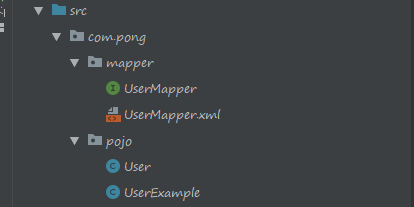
这里我使用“generatorSqlmapCustom”逆向工程代码
github链接:https://github.com/Xiangpong/generatorSqlmapCustom
如上图
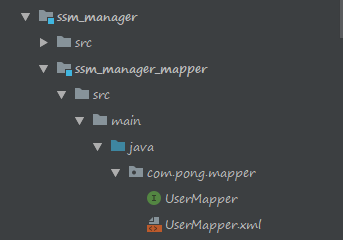
将mapper文件夹文件(UserMapper、UserMapper.xml)复制到SSM项目的manager模块的mapper文件夹 → src/main/java/com.pong.mapper 文件夹内
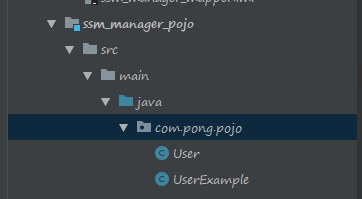
将pojo文件夹文件(User、UserExample)复制到SSM项目的manager模块的pojo文件夹 → src/main/java/com.pong.pojo 文件夹内
引入jackson-databind依赖进行JSON和Java对象转换 写一个service Demo 来检测整合结果 关键代码:
UserServiceImpl → UserService接口的实现
1
2
3
4
5
6
7
8
9
10
11
12
13
14
15
16
17
18
19
20
21
22
23
24
25
26
27
28
29
package com.pong.service.impl;import com.pong.mapper.UserMapper;import com.pong.pojo.User;import com.pong.pojo.UserExample;import com.pong.service.UserService;import org.springframework.beans.factory.annotation.Autowired;import org.springframework.stereotype.Service;import java.util.List;@Service public class UserServiceImpl implements UserService @Autowired UserMapper userMapper; @Override public User getUserById (Integer id) UserExample userExample = new UserExample(); UserExample.Criteria criteria = userExample.createCriteria(); criteria.andIdEqualTo(id); List<User> userList = userMapper.selectByExample(userExample); if (userList != null ) { return userList.get(0 ); } return null ; } }
UserController
1
2
3
4
5
6
7
8
9
10
11
12
13
14
15
16
17
18
19
20
21
22
23
package com.pong.controller;import com.pong.pojo.User;import com.pong.service.UserService;import org.springframework.beans.factory.annotation.Autowired;import org.springframework.stereotype.Controller;import org.springframework.web.bind.annotation.PathVariable;import org.springframework.web.bind.annotation.RequestMapping;import org.springframework.web.bind.annotation.ResponseBody;@Controller public class UserController @Autowired UserService userService; @RequestMapping ("/user/{userid}" ) @ResponseBody public User getUserById (@PathVariable Integer userid) User user = userService.getUserById(userid); return user; } }
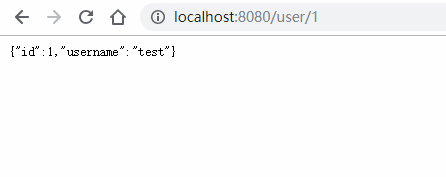
运行测试
过程中的问题
未引入jackson-databind依赖
未给UserServiceimpl 添加@Service注解
未给UserController 添加@Controller注解
org.apache.ibatis.binding.BindingException: Invalid bound statement (not found)
第四点为关键错误,可以从两个方面排查:
Mapper interface和xml文件的定义对应不上,需要检查包名,namespace,函数名称等能否对应上;因为是用逆向工程生成的文件,所以一般没有错误
mapper没有自动复制到响应位置,也会出错;maven默认会把src/main/resources下的所有配置文件以及src/main/java下的所有java文件打包或发布到target\classes下面,但是现实我们可能会在src/main/java下面也放置一些配置文件如hibernate配置文件或mybatis mapper配置文件等,如果不做一些额外配置,那我们打包后的项目可能找不到这些必须的资源文件,因此在pom.xml中增加类似如下配置:
1 2 3 4 5 6 7 8 9 10 11 12 13 <build > <resources > <resource > <directory > src/main/java</directory > <includes > <include > **/*.xml</include > </includes > </resource > <resource > <directory > src/main/resources</directory > </resource > </resources > </build >
SSM框架整合完成